Lekhathila
A movement for cultivating Israeli Torah.
Lechatchila is a movement that seeks to lay the foundations for the Israeli dimension of Torah. A Torah that ceases to be a sectoral matter; a Torah that expresses a new balance between soul and body, between spirituality and worldliness, between the sacred and the mundane.”
Our Vision
To bring the Torah to this generation — to take responsibility for it, to renew it, and to build within it a new story that transcends the divide between the religious and the secular.
החזון שלנו
A story of a living Torah that grants full space to the mundane, the body, and the earthly — one that cultivates deep commitment while preserving room for growth and freedom. The Torah of the Land of Israel: the Torah of a redeemed people that has returned from exile to life.
Lekhathila will teach that the renewal of Torah is necessary, possible, and vital at this time — without waiting for another generation or for some miraculous authority. Lekhathila will also formulate and disseminate Israeli Halakha: halachic rulings that put into practice the principles of the Torah of the Land of Israel.
Join Israeli Torah — Lekhathila — and become partners in the creation of Israeli Torah, and in opening a gateway to an era of renewed connection between the Jewish people and their Torah of life.
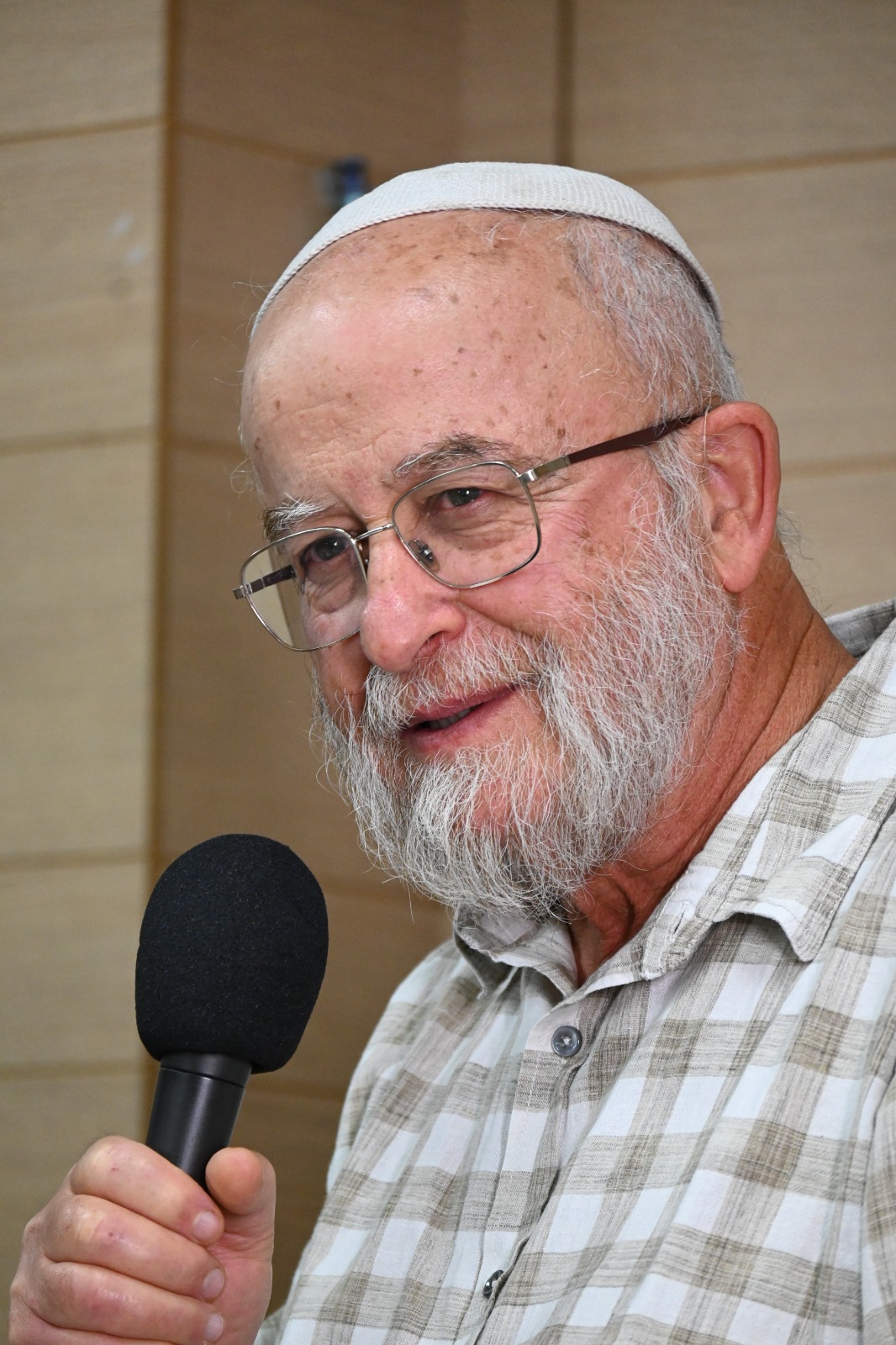
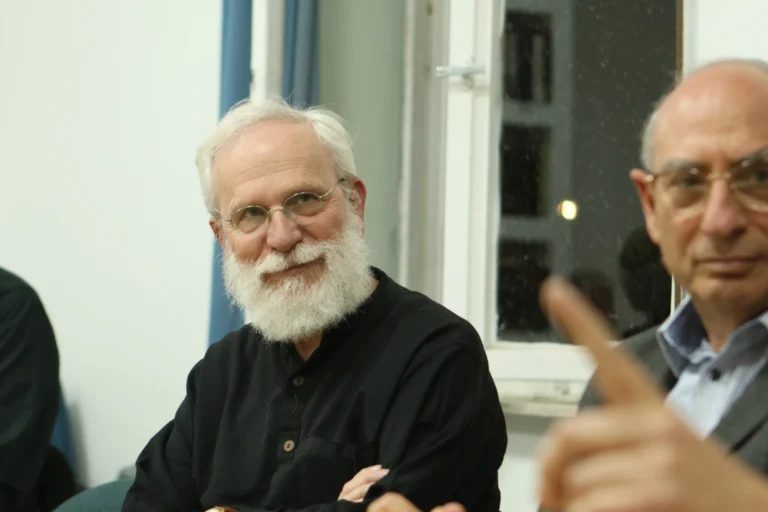
Members of the Public Council
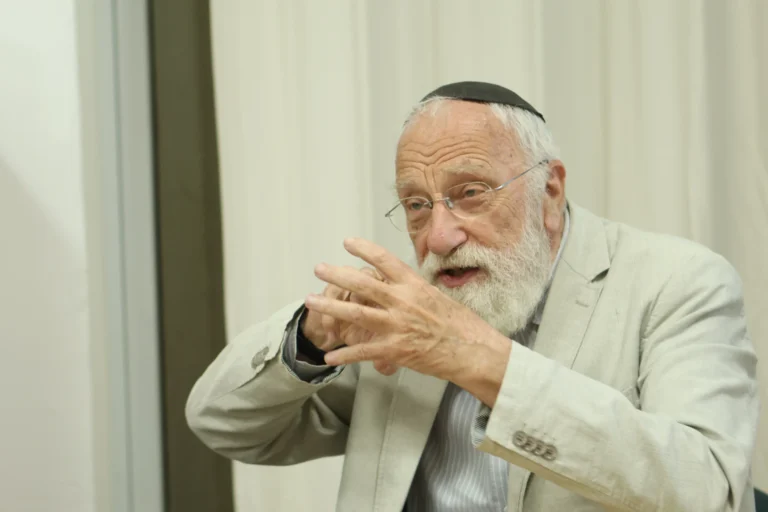
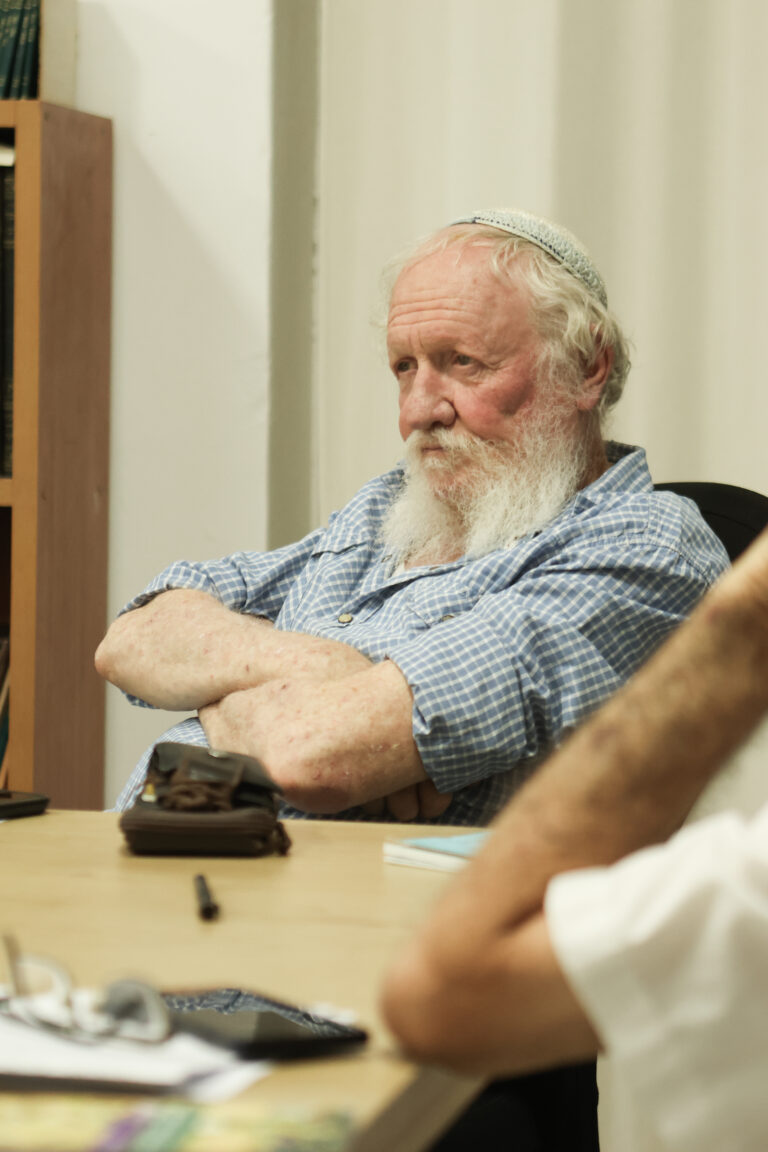
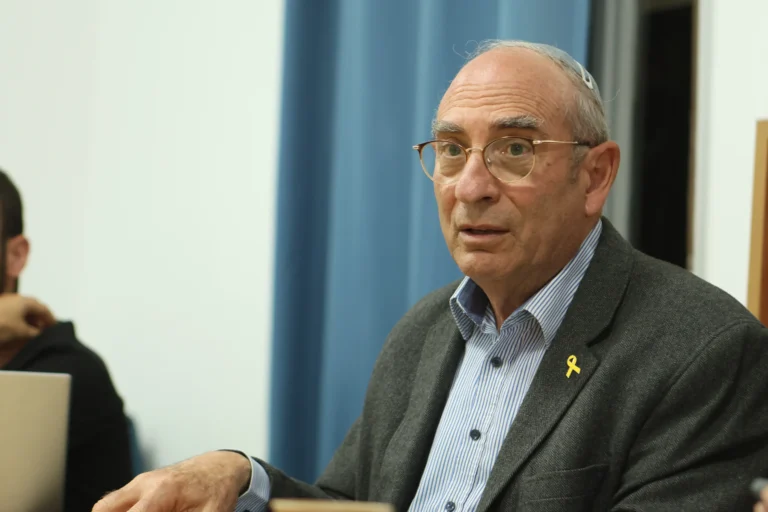
The Public Council of Lekhathila represents a microcosm of the intellectual and spiritual elite within modern Religious Zionism and the traditional circles adjacent to it. It comprises key figures, each of whom holds a different “key” to solving the riddle of Israeli identity.
Prof. Meir Buzaglo
Blu Greenberg
Prof. Binyamin (Benny) Ish-Shalom
Emuna Elon
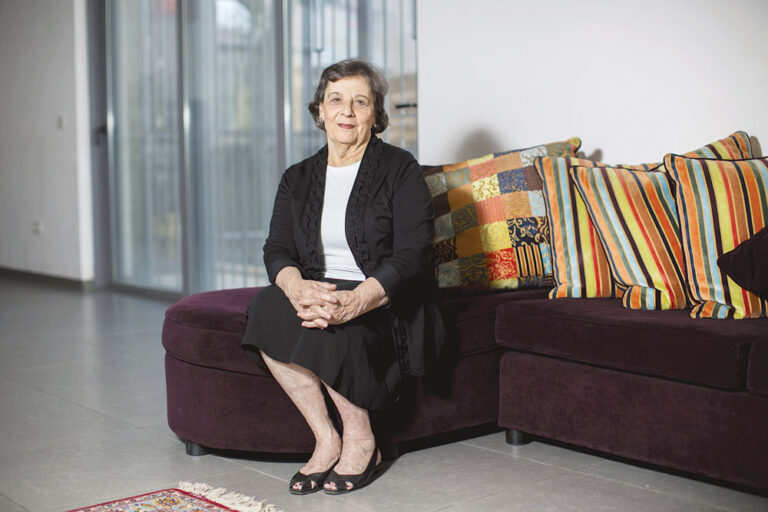
Rabbi Dan Be'eri
Sarah Eliash
Dr. Hannah Friedman
Rabbi Dr. Yoel Bin-Nun
Prof. Vered Noam
Rabbi Yitzchak (Yitz) Greenberg
Rabbi Dov Berkovits
Prof. Avinoam Rosenak
Yehuda Etzion
Prof. Jonathan Grossman
Dr. Yaffa Gisser
Rabbi Yehuda Chelouche
Rabbi Shai Zarchi
Our Activities
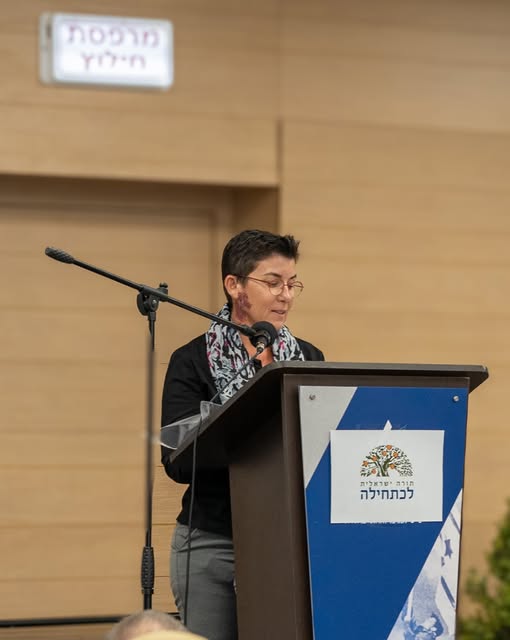
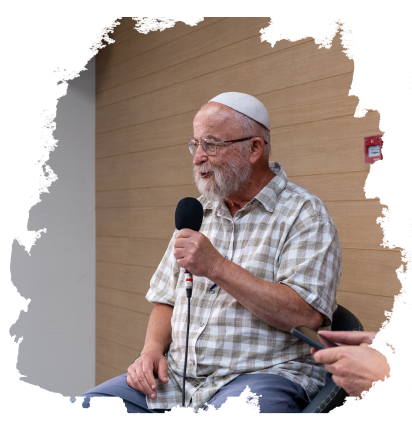
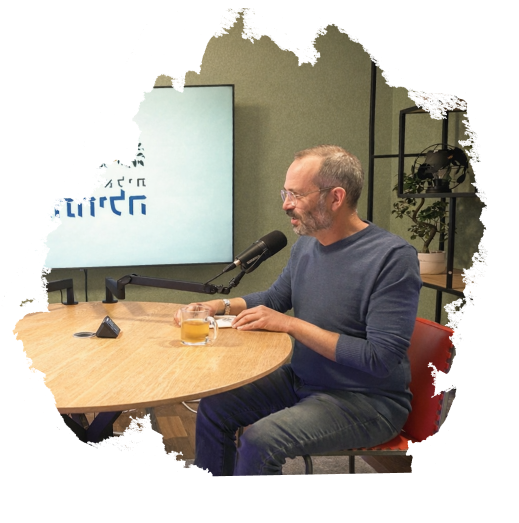
"Speaking Lekhathila"
A series of discussions on the Torah required for this moment, and how to forge a uniquely Israeli Torah. Meetings with Torah creators and seekers across all sectors of society, driven by a shared, burning question.
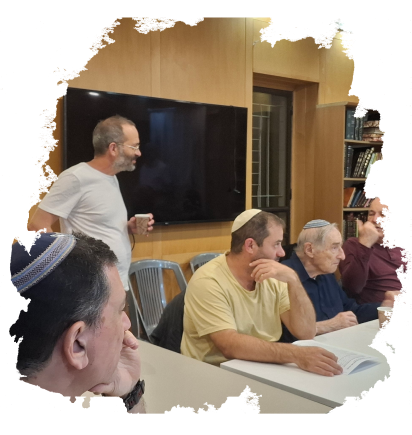
Live Gatherings
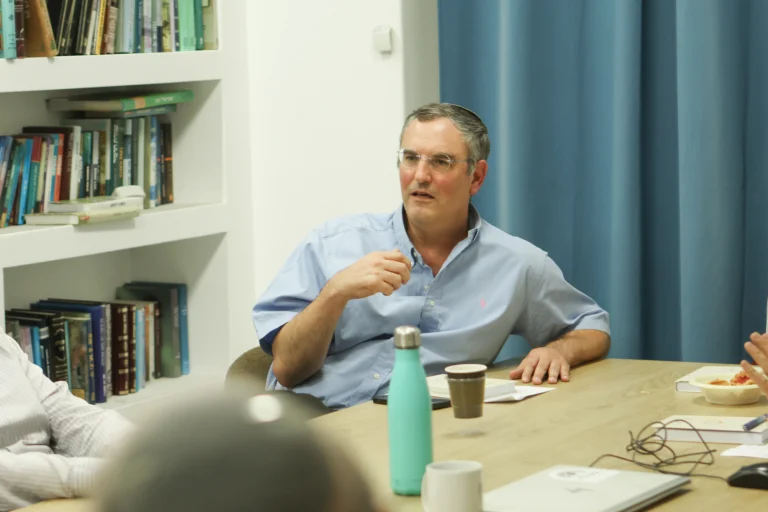
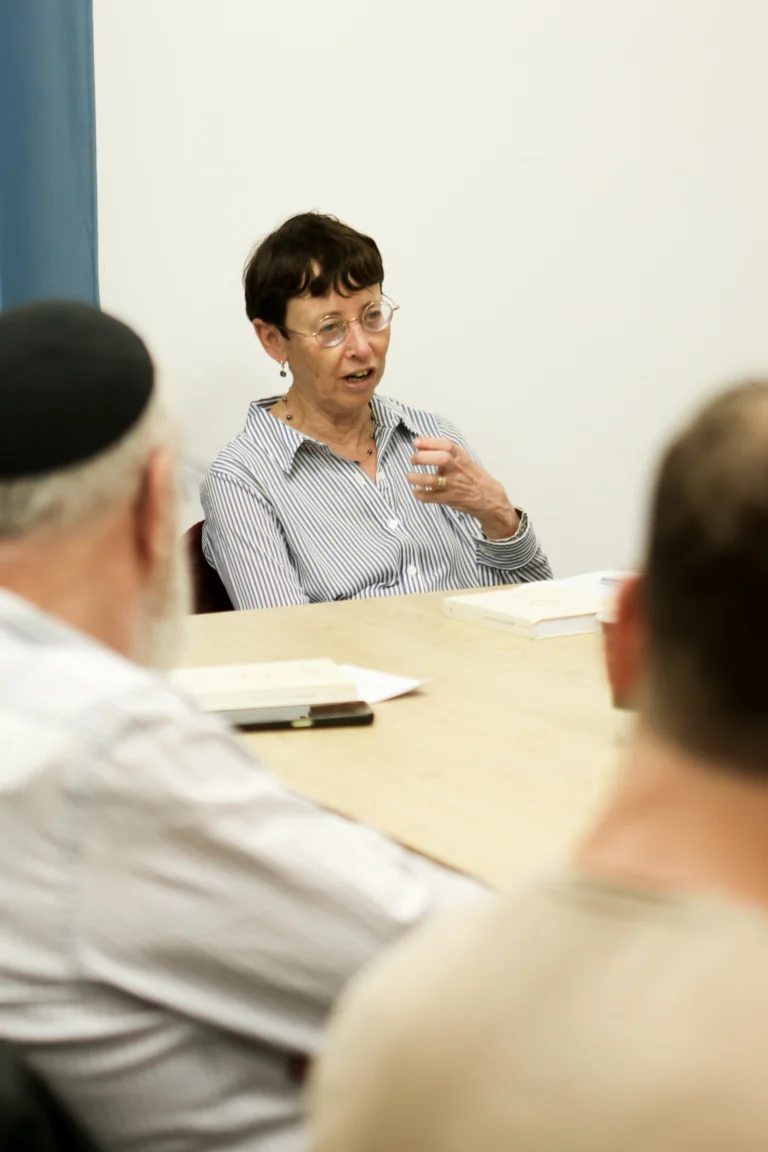
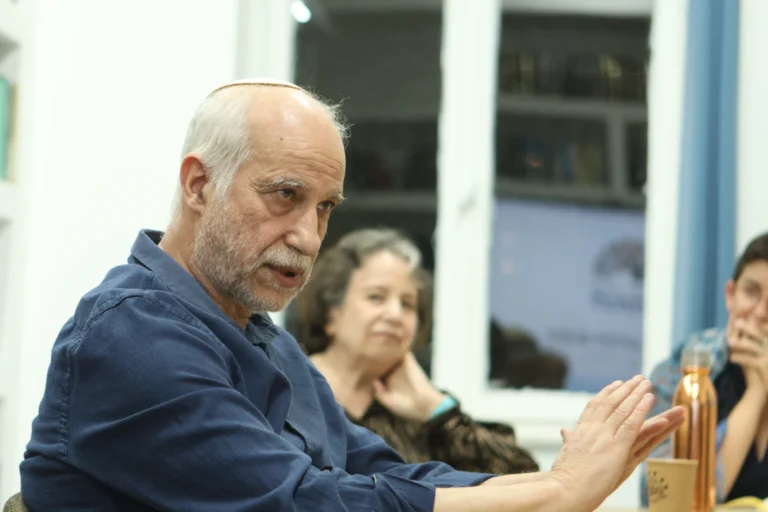
These take two forms: a bi-weekly traveling Beit Midrash that hosts a range of speakers and explores questions of Torah and Israeli society — Aggadah, Halakha, and communal life; and ‘Home Circles’ — outreach gatherings presenting the movement’s foundational ideas to groups and communities open to listening, questioning, engaging, and joining. Direct encounters with the project’s leaders.
To order a home class
Our Publications
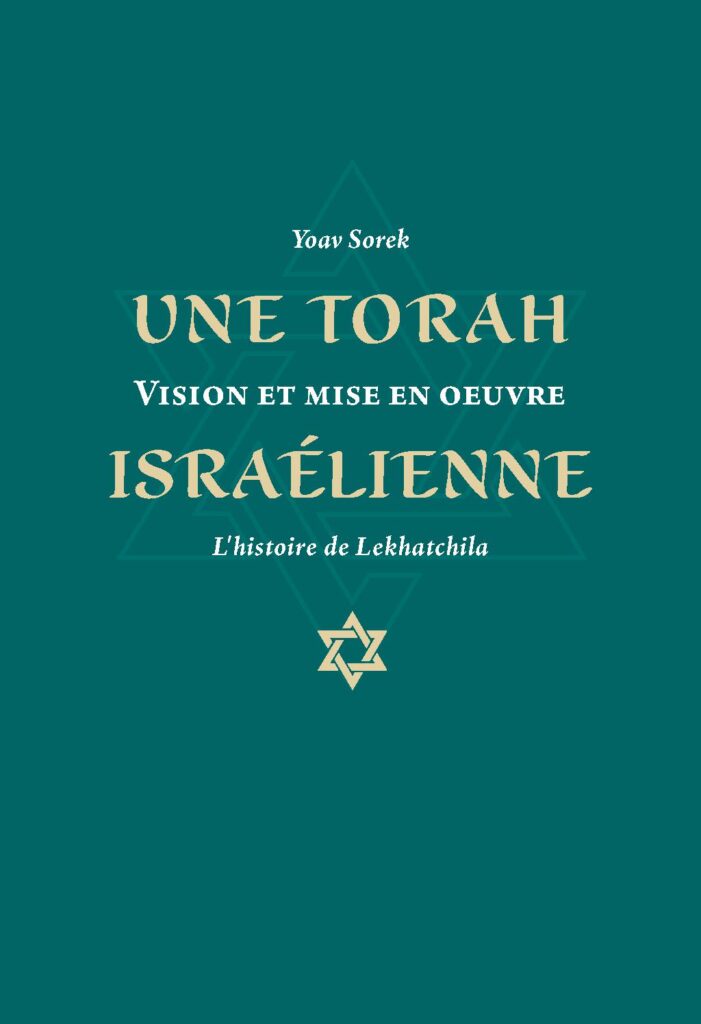
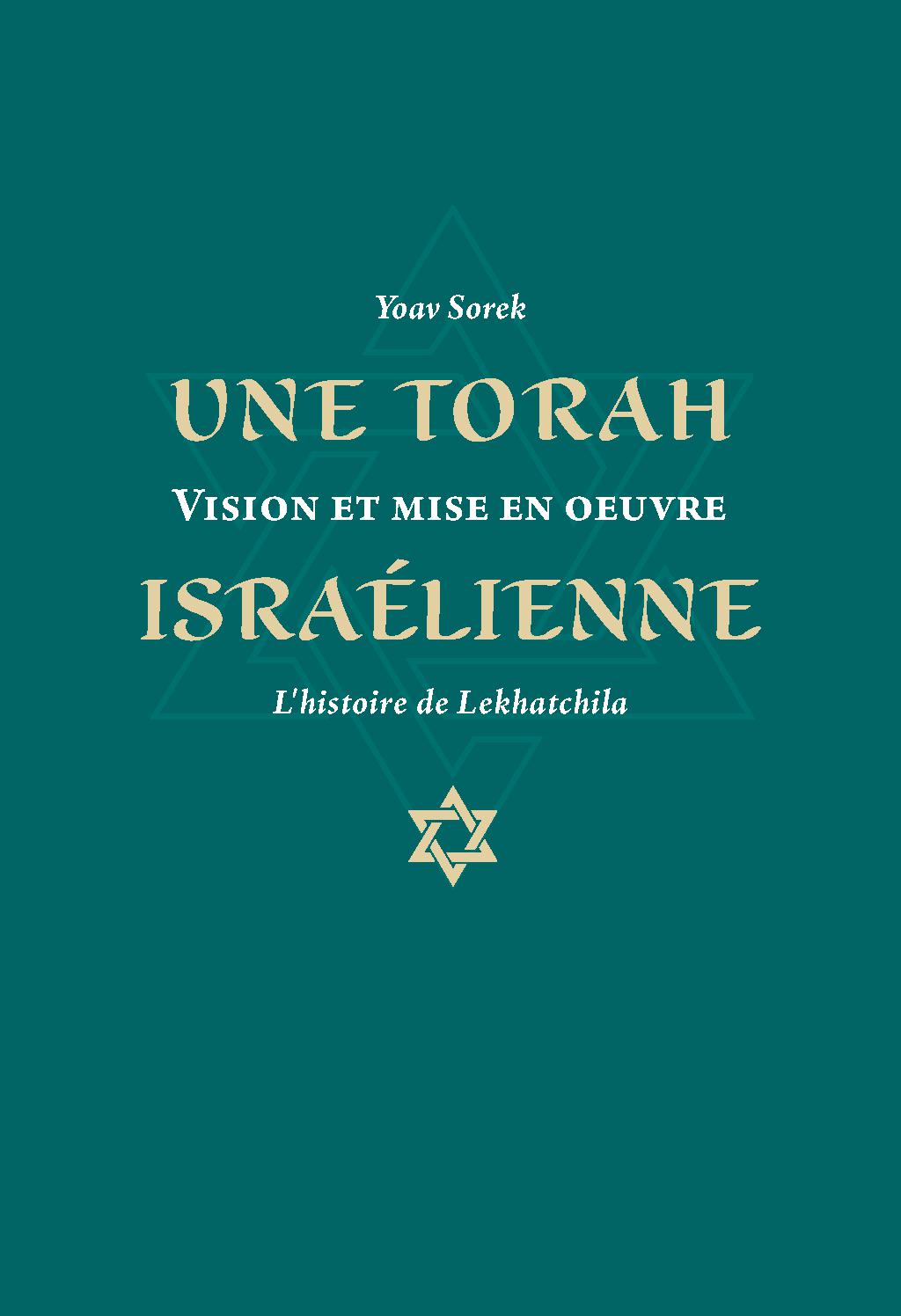
Une Torah israélienne – Vision et mise en oeuvre
Dans ce livret, le Dr Yoav Sorek dévoile l’histoire derrière l’initiative ‘Lekhatchila’ — entre pensée philosophique, vision et action.
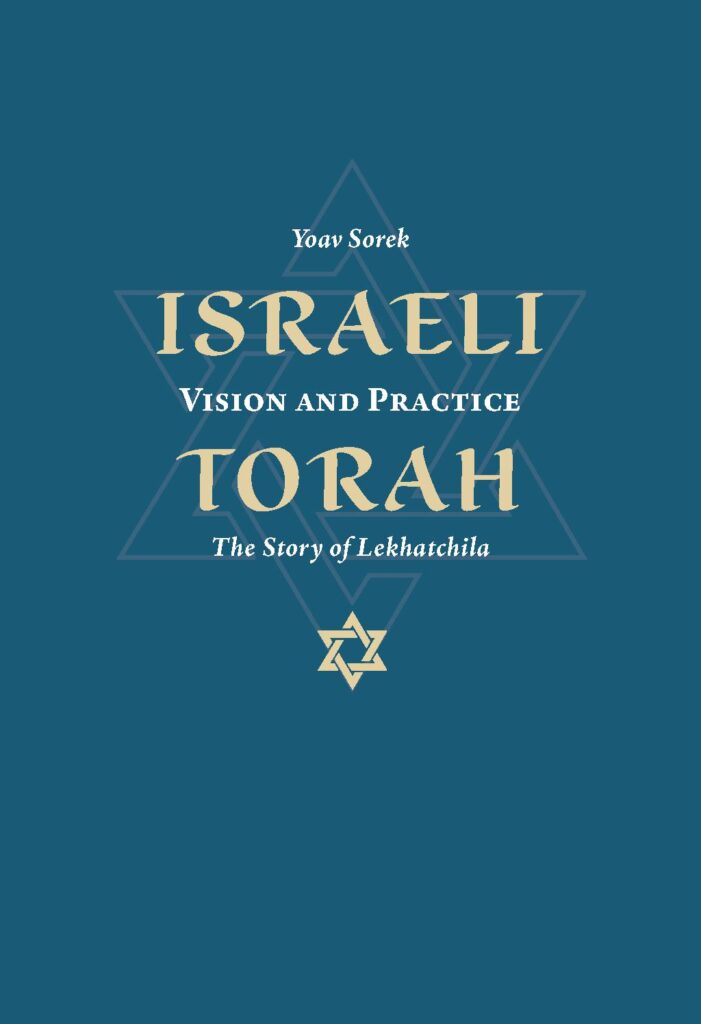
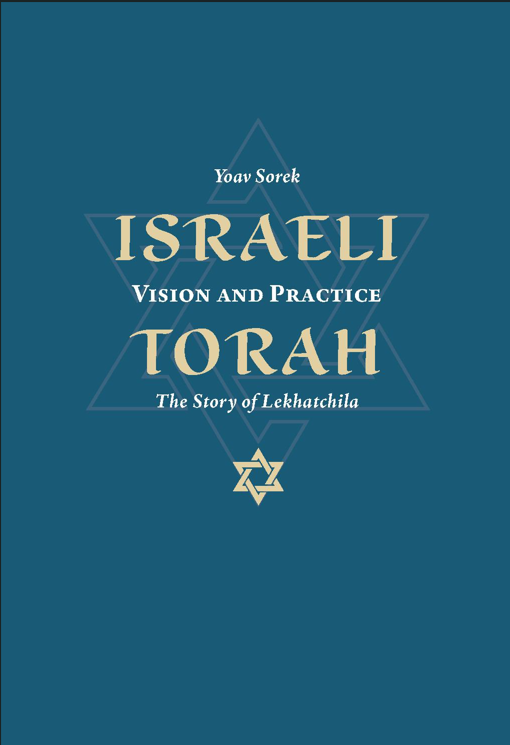
Israeli Torah – vision and practice
In this booklet, Dr. Yoav Sorek unfolds the story behind the ‘Lechatchila’ initiative – delving into its philosophy, vision, and practical impact.
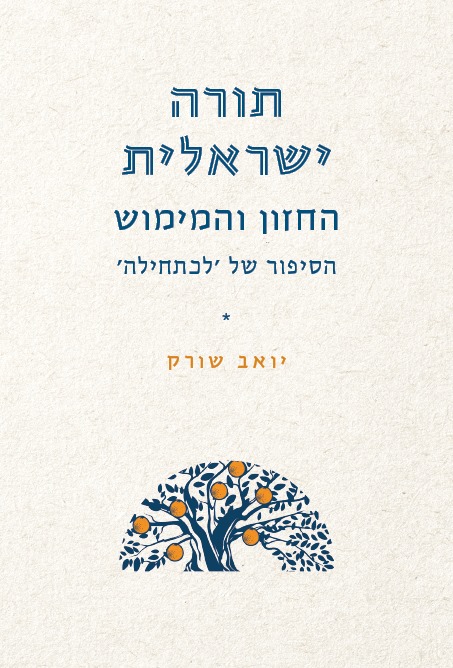
תורה ישראלית – חזון ומימוש
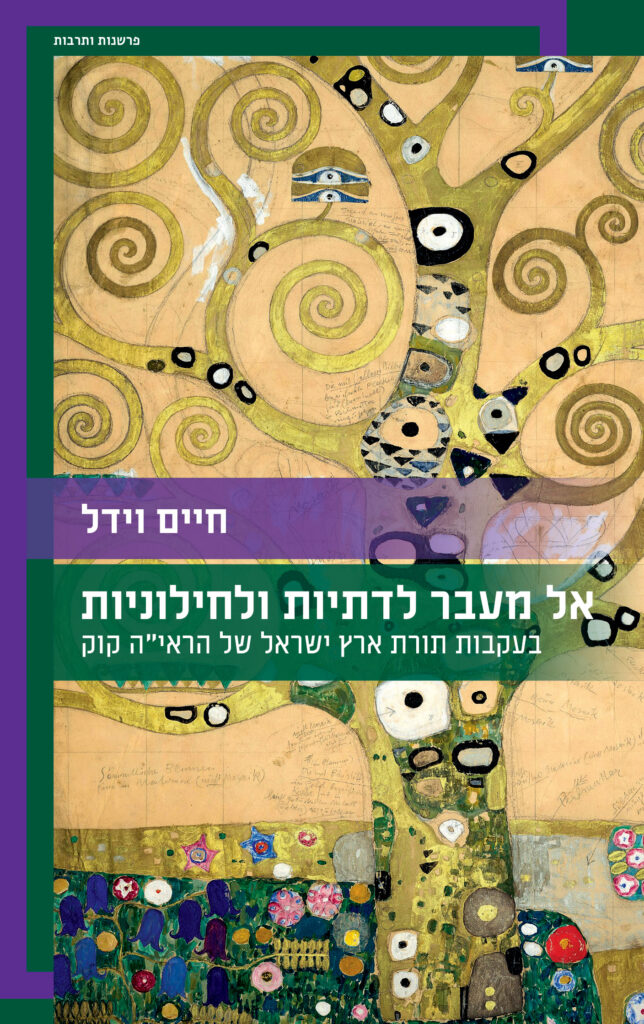
אל מעבר לדתיות ולחילוניות
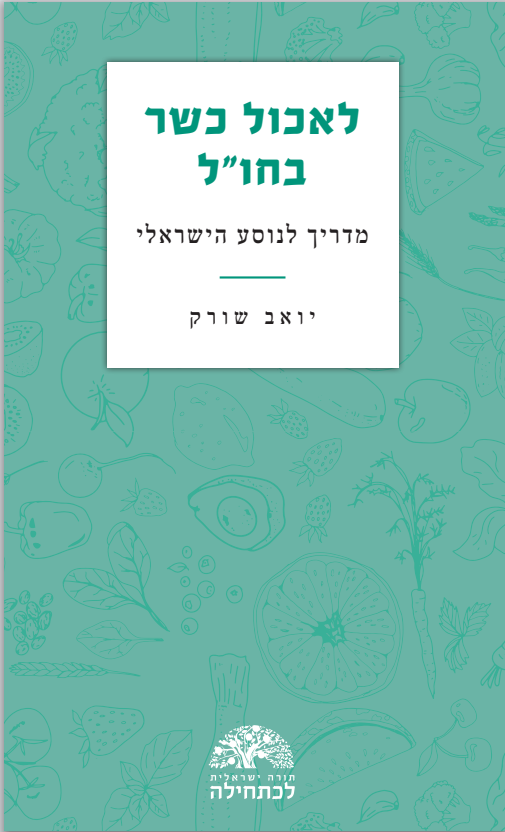
לאכול כשר בחו״ל – מדריך לנוסע הישראלי
"Israeli Torah"
Dr. Yoav Shorek — intellectual, editor, and historian — lays out in this short pamphlet the story behind the Lekhathila initiative, which he leads together with a group of prominent thinkers. In many respects, this work may be read as an updated condensation of his book The Israeli Covenant (Yedioth Books, 2015). Included alongside the pamphlet is the essay “The New Generation,” written in the wake of the war and addressed to parents and educators within Religious Zionism.
"Eating Kosher Abroad"
A text relevant to every observer of kashrut — from the traditionally minded to the strictly observant — providing an understanding of the principles of Halakha alongside practical guidance for maintaining basic or stringent kashrut during travel or a work trip.
"Beyond the Religious and the Secular"
This essay seeks to transform the divisive controversies fracturing Israeli society into something constructive and forward-moving, by reshaping their substance and tone. The author finds the key to this transformation in a return to the vision of ‘Torah of the Land of Israel’ as articulated by Rabbi Abraham Isaac Kook (the Reiyah), which opens before us a gateway to a new Jewish-Israeli identity — one in which the conventional distinctions between the sacred and the mundane, and between the religious and the secular, dissolve.